
EURUSD Awaits NFP Data as Fed Hawkishness Supports the US Dollar
by Michalis Efthymiou
The decline in the US Dollar seen over the past few weeks has come to a halt. This is partially due to the Federal Reserve upping its hawkish comments, particularly on Thursday. The members of the Federal Open Market Committee particularly voiced their concerns that inflation remains too high.
Also providing further support for the US Dollar is the rise in Oil prices. Crude Oil prices rose back up closer to $100 per barrel, but are again declining this morning. If the price sees more growth, the Dollar can become more expensive. However, investors are turning their attention to the upcoming NFP data for the US.
EURUSD - Investors Turn Their Focus To NFP As The Fed Takes a Hawkish Tone
The EURUSD is particularly interesting as we approach the US NFP data as the US Dollar is the best-performing currency of the day while the Euro is the worst. For the US Dollar, the key drivers in the short to medium term will be today’s US employment data and the Middle East negotiations.
The EURUSD is particularly interesting as we approach the US NFP data as the US Dollar is the best-performing currency of the day while the Euro is the worst. For the US Dollar, the key drivers in the short to medium term will be today’s US employment data and the Middle East negotiations.
Analysts expect the unemployment rate to remain at 4.3% and the employment change to rise by 73,000. If the Non-Farm Payroll change reads higher than this figure, particularly if again higher than 100,000, the US Dollar can find significant support. A positive NFP release would mean that the Federal Reserve can concentrate on tackling inflation.
Recent comments from Fed officials are also important. Chicago Fed President Austan Goolsbee said businesses are not too concerned about a short-term rise in oil prices after the US-Iran confrontation. However, prolonged high energy prices could create pressure. If they last for several months, businesses may face supply chain disruptions. This could become a broader factor driving inflation higher.
Last night, Fed President, Neel Kashkari, told journalists that inflation remains too high and that if the Strait of Hormuz remains closed, a rate hike may be more likely. The comments are seen as hawkish and are supporting the US Dollar. Mr Kashkari was one of the three FOMC members who dissented from wording that suggested the Fed’s next move was likely to be a cut. In total, there are 12 members who vote on interest rates in the US.
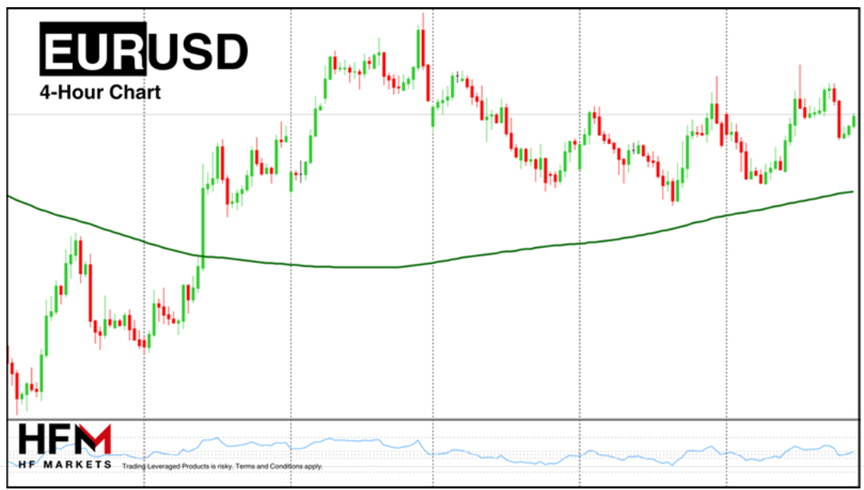
Euro & EURUSD Technical Analysis
Publication date: