Trump Tariff Impact: How Trade Policies Affect The Forex And Stock Markets
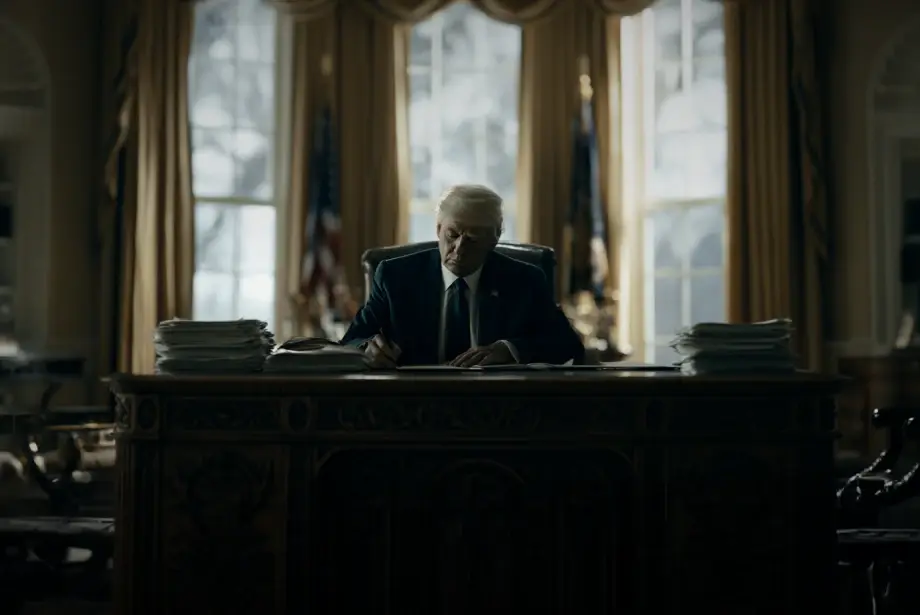
The US Dollar strengthened following the tariff announcements after Trump announced massive new tariffs, riding on less risky flows and yield advantages. The DXY index, which tracks the Dollar against six major currencies, strengthened as investors anticipated higher inflation and rising US bond yields.
Equity markets reflected immediate concern right after the tariffs were imposed. The Dow Jones Industrial Average dropped 0.91% to 37,965.60. Similarly, the S&P 500 slipped 0.23% to 5,062.25, while the Nasdaq Composite ended flat at 0.10%. This masked the 5% intraday collapse in tech stocks that are highly exposed to global supply chains. In just two days, this may influence future monetary policy decisions and currency movements.
The Canadian and New Zealand Dollars, seen as barometers of Chinese economic demand, were among the worst-performing major currencies in response to tariff shocks.
The uncertainty triggered by the tariffs also caused sharp declines in commodity markets. Gold is often viewed by some investors as a defensive asset during periods of uncertainty and economic instability. It surged initially to $3,167 per ounce but fell 2% to $2,977 by April 7, only to rise slightly to $2,984.
Emerging market currencies faced significant depreciation due to the tariff war. The Indian Rupee dropped by 0.7%, its largest decline in three months, closing at 86.44 per Dollar.
Escalating trade tensions due to President Trump's tariff policies have intensified concerns over a potential global recession. Goldman Sachs and Morningstar place the odds between 45% and 50%.
The 10-year treasury yield fluctuated, reaching its lowest point since October at 4.106%. However, it then slightly rebounded to 4.21%. This dip in yields reflects heightened concerns over the economic impact of President Trump's tariffs. This has also fueled fears of a global trade war and potential economic slowdown.
Rising trade policy uncertainty is weighing heavily on US stock valuations. According to Goldman Sachs Research, recent tariff-related developments have pushed the US Economic Policy Uncertainty Index to one of its highest readings in four decades.According to Goldman Sachs Research, increased uncertainty may lead investors to seek a higher risk premium, which could reduce US stocks' forward 12-month price-to-earnings (P/E) ratio by approximately 2-3%.
Overall, tariff-induced uncertainty drives unusual investor behavior across both forex and equity markets. Some market participants have shifted exposure out of emerging market assets and into high-quality, low-risk currencies. Additionally, some investors have increased allocations to defensive sectors and pulling away from cyclical and export-driven stocks.
Disclaimer:
Blueberry Markets (Mauritius) Ltd (Mauritius Company Number 218548) holds Global Business Licence GB24203929 under the Financial Services Act allowing it to be a Full Service Dealer (excluding underwriting). Registered address: Silicon Avenue, 40 Cybersecurity The Cyberati Lounge, Ground Floor, The Catalyst, Ebene 72201, Mauritius.Blueberry Markets (V) Ltd is regulated by Vanuatu Financial Services Commission (Company number: 700697) holding License Classes A, B and C under the Financial Dealers Licensing Act. Registered Address: Govant Building, 1st Floor, Kumul Highway, Port Vila, Vanuatu.Blueberry Prime Partners Pty Ltd. Registered Address: Level 7, 107 Mount Street, North Sydney NSW 2060 Australia. Payment processing facilitated by Blueberry Prime Partners Pty Ltd ABN 57 140 275 860 AFSL 36411.Margin trading involves a high level of risk and is not suitable for all investors. You should carefully consider your objectives, financial situation, needs and level of experience before entering into any margined transactions with Blueberry Markets, and seek independent advice if necessary. Forex and CFDs are highly leveraged products, which means both gains and losses are magnified. You should only trade in these products if you fully understand the risks involved and can afford to incur losses that will not adversely affect your lifestyle.
Publication date: