Markets Brace for Five Central Bank Decisions & UK Budget

by Michalis Efthymiou - October 26, 2026
Financial markets are preparing for a pivotal week, with key developments expected to influence investors and multiple asset classes. The currency market and Gold will particularly likely to see strong volatility as five central banks confirm their rate decisions.
These central banks include the Reserve Bank of New Zealand, the Bank of Canada, Federal Reserve, the European Central Bank, and the Bank of Japan. In addition to central bank decisions, the UK will also release its Autumn Budget. This is a key event for the FTSE 100, Euro and the Pound. However, the most influential event is likely to be the Federal Reserve’s rate decision and press conference on Wednesday evening.
During Monday’s open, the best-performing currencies are the Euro, Swiss Franc and British Pound. The worst-performing are the US Dollar, Australian Dollar, and Japanese Yen.
Euro - Moody Ratings Provides Limited Relief For European Investors
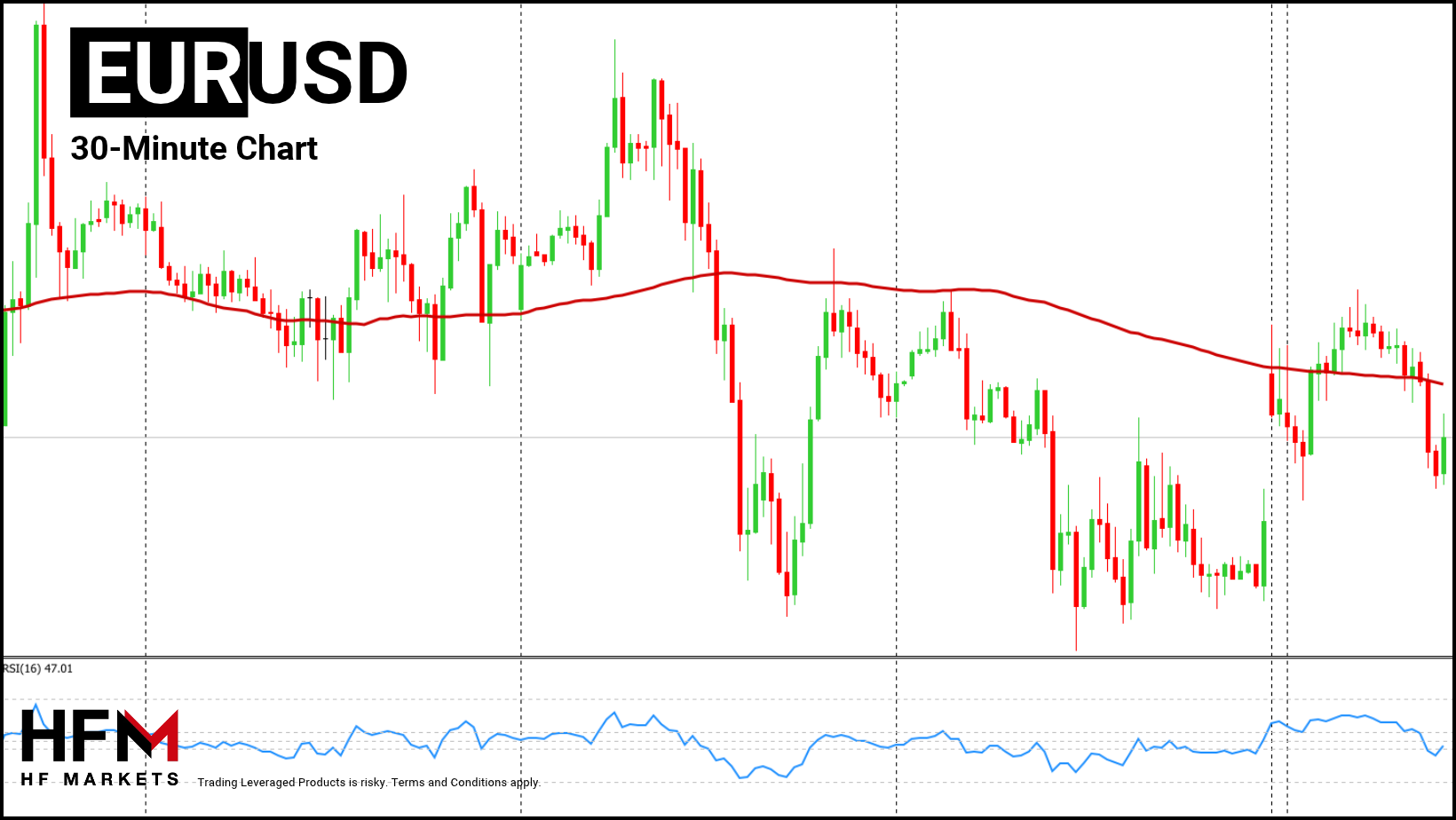
The Euro is one of the best-performing currencies of the day due to opening with a bullish price gap. The price gap measures 0.15% and, so far, is holding onto its gains. The bullish price movement is due to the high bond yields, de-escalation in France, and the upcoming European Central Bank decision.
The Euro is one of the best-performing currencies of the day due to opening with a bullish price gap. The price gap measures 0.15% and, so far, is holding onto its gains. The bullish price movement is due to the high bond yields, de-escalation in France, and the upcoming European Central Bank decision.
France’s de-escalation, particularly the fact that the country has avoided any riots and further strikes over the weekend, has been key. In addition, Moody’s has confirmed it will not downgrade France’s credit rating. These developments are supporting investor sentiment, but long-term pressures remain.
Moody’s said slower growth and a higher deficit have pushed France’s debt burden higher than previously expected, with bond yields rising more rapidly than expected. For this reason, the price of the Euro remains at risk in the long term. Investors will be paying close attention to the ECB’s press conference for comments on these developments.
Technical indicators across most timeframes continue to suggest a bearish outlook, despite the day’s bullish price movement. While shorter timeframes show signs of modest bullish momentum, a decline of just 0.08% could be enough to reverse these signals. Therefore, monitoring price action remains essential in determining the market’s next direction.
The US Dollar Falls But Aims to Rebound - Traders Eye Elections & Fed Guidance
The US midterms are only a week away, and investors have one eye on the Federal Reserve and the other on the elections. The market expects the Federal Reserve to keep interest rates at 4.00% but comments on a December hike will impact demand. If the Fed seems particularly hawkish, the US Dollar could rise further.
The US midterms are only a week away, and investors have one eye on the Federal Reserve and the other on the elections. The market expects the Federal Reserve to keep interest rates at 4.00% but comments on a December hike will impact demand. If the Fed seems particularly hawkish, the US Dollar could rise further.
Oil prices are declining again on Monday, as are bond yields. The 10-year bond yield is currently trading at 4.974%, only the second time in October that the yield has fallen below 5.00%. The lower bond yields and oil prices are pressuring the US Dollar. However, both oil prices and bond yields remain high, and the price movement will depend largely on the Federal Reserve and the midterms.
This afternoon’s CB Consumer Confidence Index could provide some volatility for the US Dollar. A higher-than-expected figure could support the currency. If the US Dollar Index rises to 101.66, traders will start contemplating the breakout level and resistance level. This is a key price for the US Dollar Index. So far, bullish momentum is again gaining pace for the Dollar as the European open edges closer.
Great British Pound - Autumn Budget To Signal GBP Outlook
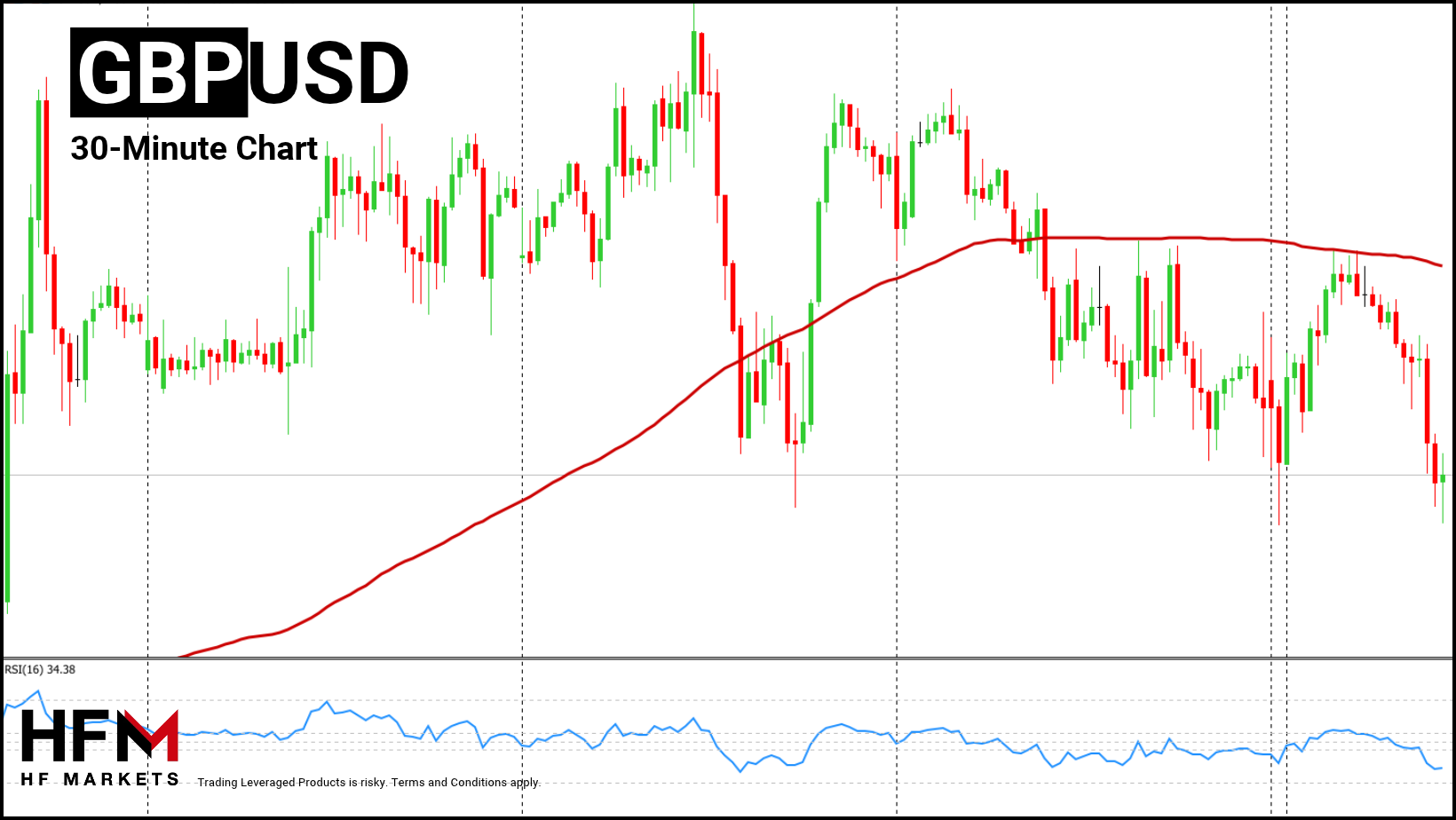
The British Pound has been the best-performing currency of the past month as the UK’s economic data has outperformed previous market expectations. However, its outlook will massively depend heavily on the autumn budget.
The British Pound has been the best-performing currency of the past month as the UK’s economic data has outperformed previous market expectations. However, its outlook will massively depend heavily on the autumn budget.
Markets will closely monitor government spending, taxation, and borrowing plans, particularly as elevated inflation and rising debt-servicing costs continue to challenge the UK economy. A fiscally disciplined budget could support sterling, while concerns over government borrowing may weigh on the currency.
Investors need to feel that the UK’s economy can continue performing without prompting borrowing concerns. This is particularly vital as the Bank of England has been one of the central banks yet to increase rates.
Gold - More Bad News Mounts on XAU/USD
Gold has fallen to its lowest level since July 2026. Gold is also now trading close to the $4,000 psychological price, which many economists have previously advised said they see as its intrinsic value. Under the current market conditions, the decline in Gold prices may seem strange.
Gold has fallen to its lowest level since July 2026. Gold is also now trading close to the $4,000 psychological price, which many economists have previously advised said they see as its intrinsic value. Under the current market conditions, the decline in Gold prices may seem strange.
The decline is being driven by three main developments. Markets expect the Fed and most central banks to continue hiking into 2027 and struggle to bring rates down in the long term. Investors are also raising funds by selling Gold in order to cover stock market losses.
Lastly, investors are turning to the bond market, which is paying high yields. In other words, investors are switching from Gold to Bonds as their preferred safe haven. In addition, high long-term oil prices are also pressuring Gold while supporting the Dollar.
The key support levels can be seen between $3,943 and $4,000. For the price to maintain momentum below this level, investors would need to see a strong price driver.
Key Takeaways:
- Five major central banks prepare to announce interest rate decisions, potentially triggering market volatility.
- The Euro strengthens as political tensions in France ease and Moody’s maintains its credit rating.
- The US Dollar weakens amid falling bond yields, while the Pound awaits the UK Autumn Budget.
- Gold remains under pressure near $4,000 as high bond yields and rate hike expectations weigh on demand.
Publication date: